
The Exhaust System in Your Vehicle Filters Dangerous Gases
Typically, a standard car exhaust system endures between three and six years. Nevertheless, regularly inspecting your exhaust system for any road damage is essential. Paying attention to certain signs can help you decide when it’s time to have your exhaust system checked or when parts need replacing.
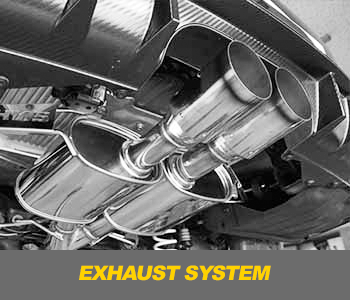
5 Indicators That Your Exhaust System Requires Maintenance
1. Unusual sounds during acceleration
One of the earliest signs of exhaust issues to watch for is an excessively loud engine. If your vehicle becomes abnormally noisy or produces rattling sounds when you accelerate, it might indicate a problem with the exhaust system.
2. Vehicle vibration
Strange vibrations felt through the steering wheel or gas pedal often signal an exhaust leak. If the leak is significant, you might even notice the entire car shaking. These vibrations can result from loose pipes or clamps securing the exhaust system. If you experience any of these symptoms, please visit the nearest NAPA Auto Care Center in Cape Coral.
3. Reduced fuel efficiency
A decline in power and acceleration is often accompanied by decreased fuel efficiency. If your vehicle isn’t achieving its usual mileage, the exhaust system could be the cause. To compensate for exhaust issues, your car has to work harder, which leads to increased fuel consumption.
4. Gasoline odor
Detecting a gas smell inside your car while driving may point to exhaust problems. This typically happens when an exhaust pipe or tube is damaged and starts leaking, allowing gasoline fumes to escape, sometimes entering the vehicle’s cabin.
5. Check engine light
The check engine light can illuminate for various reasons, including a malfunctioning exhaust system. If the light is flashing, it indicates an urgent issue. You should safely pull over and seek assistance immediately.
The exhaust system plays a crucial role in every vehicle by directing harmful exhaust gases away from the engine. These burnt gases travel through exhaust pipes from the combustion engine. They then pass through the catalytic converter, which eliminates most of the toxic gases and is essential for meeting emissions regulations. Afterward, the fumes move through the muffler, which lowers noise levels, before being released through the rear exhaust pipe. This system is indispensable for both vehicle performance and environmental protection.